The Unlikely Secret Agent
Bongani Nicholas Ngomane: A gripping reminder that freedom was never free, The Unlikely Secret Agent transforms hidden struggle into unforgettable theatre.
The Unlikely Secret Agent – A Powerful Reminder That Freedom Was Never Free
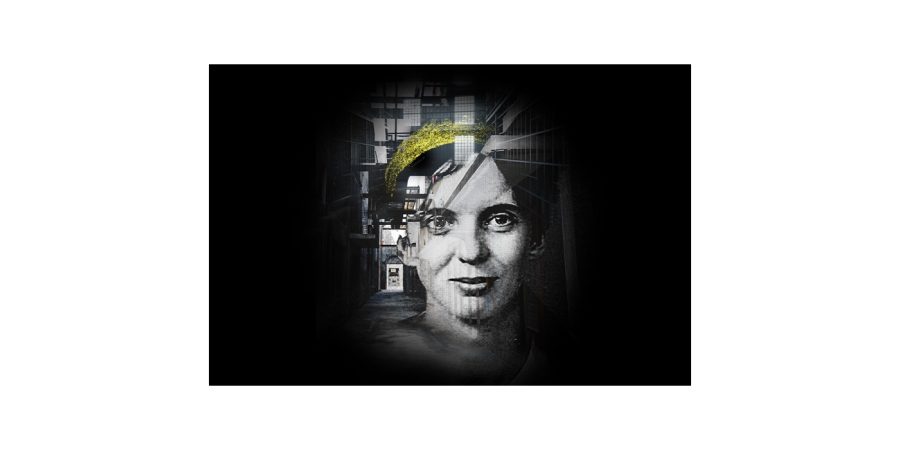
There are productions that entertain, and there are productions that leave audiences in reflective silence long after the curtain falls. The Unlikely Secret Agent, currently showing at the South African State Theatre’s Arena Theatre, belongs firmly in the latter category. Written, directed by and featuring Paul du Toit, this compelling adaptation of Ronnie Kasrils’ memoir is an emotionally charged, intellectually stimulating and theatrically accomplished production that deserves to be seen by every South African, especially during the month of June.
June is synonymous with remembrance, resistance and the courage of ordinary citizens who challenged extraordinary oppression. While Youth Month often centres on the events of 16 June 1976, The Unlikely Secret Agent reminds us that the struggle for freedom was built upon countless untold stories of sacrifice, resilience and quiet heroism. The play shines a much needed spotlight on the overlooked contribution of women in the liberation struggle while exposing the brutality of apartheid’s security machinery. In today’s world, where democracy is often taken for granted, the production asks an urgent question: What does freedom truly cost, and how do we honour those who paid the price?
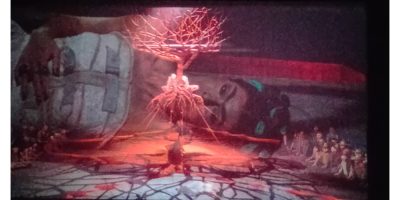
From the moment audiences enter the theatre, the minimalist stage design immediately establishes the atmosphere. Four green chairs positioned diagonally, a simple table with a hanging light, a filing cabinet and a bucket with a mop become a versatile landscape through imaginative staging and striking projections. The production proves that powerful storytelling does not require elaborate scenery. It requires vision.
The lighting design and projection work deserve special recognition. Seamless spotlights guide every transition with cinematic precision, while projected environments transport audiences effortlessly across different locations and moments in history. Equally impressive is the sound design. Whether evoking passing vehicles, the harsh rhythm of interrogation or the unsettling silence inside a psychiatric institution, every sound cue deepens the emotional landscape.
The cast delivers performances of remarkable discipline and emotional honesty.
Erika Breytenbach, portraying Eleanor Kasrils, is extraordinary. Calm, controlled and emotionally transparent, she commands the stage with effortless confidence from beginning to end. Carrying an immense amount of dialogue with precision, she embodies resilience while gradually revealing the emotional scars inflicted by imprisonment, isolation and unimaginable abuse. Her performance is both heartbreaking and inspiring.
Paul du Toit once again demonstrates why he remains one of South Africa’s most accomplished theatre makers. His writing never sensationalises history but allows the humanity of its characters to speak for itself. As both director and performer, he carefully balances tension, political complexity and emotional vulnerability.
The supporting ensemble, Carlo Daniels, Ashley Dowds and Ntlanhla Morgan Kutu, display exceptional versatility, seamlessly shifting between multiple characters. Their physical precision, vocal clarity and convincing character transformations create a dynamic theatrical rhythm throughout. The ensemble’s ability to move from interrogators to guards and various authority figures highlights not only their technical skill but also the dehumanising machinery of apartheid itself.
One of the production’s greatest strengths lies in its dialogue. Every exchange feels purposeful. The actors understand that words carry history, memory and power, and they deliver them with impeccable articulation and emotional truth.
The second act becomes even more emotionally devastating. Eleanor’s experiences of harassment, starvation, isolation from her daughter and psychological torture inside a mental institution expose the human cost of political oppression. Particularly striking is the stylised miming sequence involving patient records, which transforms administrative bureaucracy into chilling theatrical poetry. These moments remind audiences that apartheid’s violence extended far beyond physical brutality. It sought to erase identity, dignity and hope.
The production also explores broader historical themes including state surveillance, exploitation, authoritarianism and ideological conflict. While rooted in apartheid South Africa, its questions remain disturbingly relevant today. Around the world, democracies continue to grapple with political repression, gender-based violence, abuse of power and the manipulation of truth. The Unlikely Secret Agent therefore becomes not only a historical drama but also a timely warning about the fragility of freedom.
Audiences across the country have embraced the production, echoing sentiments already expressed during its acclaimed seasons in London, Cape Town, Durban and Johannesburg. It has been described as “powerful performances, a gripping piece of theatre”, “full of courage and heart”, and “packed with adrenaline, excitement and danger.” Having now experienced it firsthand, these accolades feel entirely justified.
The beauty of The Unlikely Secret Agent lies not only in what it remembers but in what it asks us to remember. It honours those whose names rarely appear in history books while reminding younger generations that democracy was earned through unimaginable sacrifice.
This is more than a theatre production. It is an act of remembrance, a lesson in history and a compelling invitation to reflect on who we are as a nation.
The Unlikely Secret Agent is essential viewing. It is intelligent, emotionally gripping, beautifully performed and profoundly relevant. During Youth Month, there could be few more meaningful ways to honour South Africa’s journey towards freedom than by witnessing this remarkable production.
Bongani Nicholas Ngomane
nicholasngomane87@gmail.com
072 700 6030
SA Theatre Reviews
http://www.satheatrereview.co.za
Disclaimer: Artslink.co.za encourages freedom of speech and the expression of diverse views. The views published do not necessarily represent the views of Artslink.co.za.
I wrote this review because theatre is more than entertainment. It is a living archive of our history, our struggles and our humanity. During Youth Month, The Unlikely Secret Agent reminds us that the freedoms we enjoy today were won through extraordinary sacrifice, making it a story that deserves to be experienced, remembered and shared.